Clonazepam: How It Works and Its Uses
Clonazepam, a member of the benzodiazepine class of medications, is widely prescribed for its sedative, anticonvulsant, and anxiolytic properties. This article explores how Clonazepam works, its benefits, and essential precautions for safe use.
For more trusted products and information, visit Torzon Darkweb.
How Does Clonazepam Work?
Clonazepam works by calming the central nervous system (CNS). It enhances the activity of gamma-aminobutyric acid (GABA), a neurotransmitter that slows down brain signals, reducing overactivity and stabilizing nerve function. This mechanism makes it effective for treating conditions like seizures, anxiety, and panic disorders.
What Will Clonazepam Do for Me?
Clonazepam is primarily used to:
- Control seizure disorders: It helps prevent and manage different types of seizures.
- Reduce anxiety: It alleviates symptoms of panic and anxiety disorders.
- Act as a sedative: It can be used to promote relaxation in individuals experiencing high levels of stress.
Comprehensive Guide to Clonazepam and Rivotril
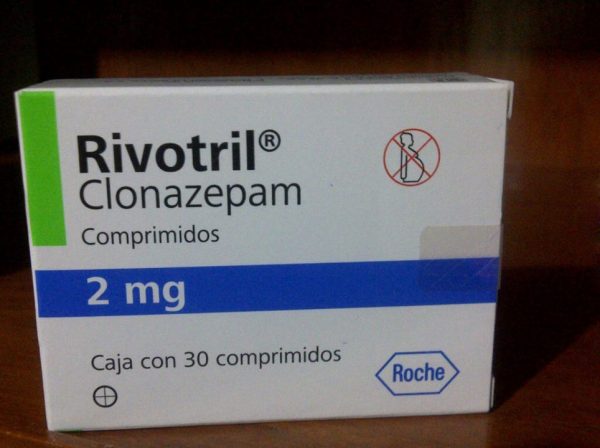
Clonazepam, often marketed under the brand name Rivotril, is a widely prescribed benzodiazepine for managing anxiety, seizures, and sleep disorders. This article explores its uses, dosages, side effects, and precautions to ensure safe and effective treatment.
If you’re considering Clonazepam or other research chemicals, visit Torzon Darkweb for high-quality products.
Is 1mg Clonazepam a High Dose for Anxiety?
The dosage of Clonazepam for anxiety varies by individual. While 1mg is within the standard range, it may be considered high for some, especially those new to the medication. Always start with the lowest effective dose as prescribed by your doctor to minimize risks.
Rivotril Clonazepam Side Effects
Like any medication, Rivotril (Clonazepam) can cause side effects. Common side effects include:
- Drowsiness
- Dizziness
- Fatigue
- Memory problems
For detailed side effects information, refer to trusted medical sources like the NHS.
Clonazepam Dangers
While effective, Clonazepam poses potential dangers, including:
- Dependency and withdrawal symptoms
- Respiratory depression when taken in high doses or with alcohol
- Cognitive impairment with prolonged use
Rivotril Clonazepam Uses
Rivotril (Clonazepam) is primarily used for:
- Treating epilepsy and seizures
- Managing panic and anxiety disorders
- Assisting with sleep issues
Rivotril Clonazepam 0.5mg
The 0.5mg dosage of Rivotril is a common starting dose, particularly for anxiety or mild seizure control. It provides therapeutic effects with reduced risk of sedation compared to higher doses.
Rivotril Clonazepam 2mg Side Effects
At 2mg, Clonazepam is a higher dose that may cause side effects such as:
- Severe drowsiness
- Confusion
- Loss of coordination
- Increased risk of dependency
Clonazepam Side Effects (NHS Overview)
The NHS outlines several common and rare side effects of Clonazepam:
- Common: Sleepiness, muscle weakness, and lightheadedness.
- Rare: Depression, hallucinations, or difficulty breathing.
Long-term use may lead to cognitive decline or dependency.
Brand Name of Clonazepam
Clonazepam is marketed under various brand names worldwide, with Rivotril being one of the most recognized
Rivotril Benefits
The benefits of Rivotril include:
- Effective seizure control
- Relief from anxiety and panic attacks
- Improved sleep for those with insomnia due to neurological conditions
Rivotril for Sleep
Rivotril is sometimes prescribed for sleep disorders, particularly when insomnia is linked to anxiety or neurological issues. Its sedative effects promote relaxation and deeper sleep.
What Not to Take With Clonazepam
Avoid combining Clonazepam with:
- Alcohol (increases the risk of respiratory depression)
- Other CNS depressants like opioids or sedatives
- Grapefruit or grapefruit juice (may alter drug metabolism)
What Are the Most Common Side Effects of Clonazepam?
The most common side effects include:
- Drowsiness
- Dizziness
- Fatigue
- Blurred vision
Clonazepam Side Effects Long-Term
Long-term use of Clonazepam may lead to:
- Tolerance and dependency
- Cognitive decline
- Emotional blunting
Explore Related Products
Important Information About Clonazepam
- Brand Names and Forms
Clonazepam is available under various brand names and forms, such as tablets or dissolvable wafers. However, not all brands or forms are approved for every condition. - Off-Label Uses
Your doctor may prescribe Clonazepam for conditions not listed in general drug information. Always consult your healthcare provider if you are unsure about its purpose in your treatment plan. - Do Not Share Medication
Never give Clonazepam to others, even if their symptoms appear similar. Misuse can lead to serious side effects and potential harm.
Precautions
- Consult Your Doctor: Do not stop taking Clonazepam without your doctor’s advice, as sudden discontinuation can cause withdrawal symptoms.
- Individualized Treatment: Your doctor will tailor the dosage based on your condition and response to treatment.
Explore Other High-Quality Products
FAQ
1. Can Clonazepam Treat Anxiety Disorders?
Yes, Clonazepam is often prescribed to manage panic and anxiety disorders due to its calming effects on the CNS.
2. Are There Side Effects to Clonazepam?
Common side effects include drowsiness, dizziness, and fatigue. Severe side effects like memory problems or dependency may occur with long-term use.
3. Is It Safe to Stop Clonazepam Abruptly?
No. Abruptly stopping Clonazepam can lead to withdrawal symptoms, including seizures and increased anxiety. Always follow your doctor’s guidance when discontinuing use.
Conclusion
Clonazepam is a powerful medication for managing seizures, anxiety, and panic disorders. However, it requires careful use under medical supervision. If you’re considering Clonazepam or other research chemicals, visit Torzon Darkweb for high-quality options.
For additional resources, explore Legal High Incense and Infused Paper. Stay informed and prioritize your safety with any treatment choice.