
Comprehensive Guide to Valium (Diazepam): Uses, Dosage, and Effects
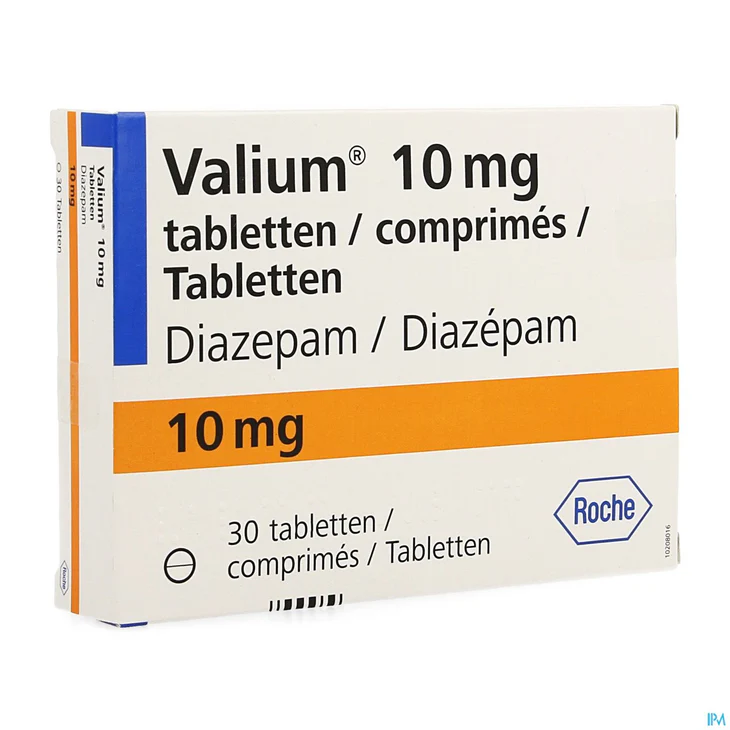
Valium, the brand name for diazepam, is a widely prescribed benzodiazepine medication. Known for its calming effects, Valium is primarily used to treat anxiety, muscle spasms, insomnia, and certain types of pain. This guide addresses common questions about Valium’s uses, dosages, and side effects.
What Is Valium Used For?
Valium is prescribed for various conditions, including:
- Anxiety Disorders: Reduces excessive nervousness or panic.
- Sleep Issues: Promotes relaxation and aids in sleep.
- Muscle Spasms: Relieves muscle tightness and discomfort.
- Seizures: Used as part of seizure treatment plans.
- Pain Relief: Occasionally prescribed for pain relief, especially after surgery.
For safe and reliable options, visit Torzon Darkweb.
Valium Side Effects
Valium may cause side effects, which can vary in intensity based on the dosage and individual response:
- Common Side Effects: Drowsiness, dizziness, fatigue, and muscle weakness.
- Next-Day Effects: Grogginess, impaired coordination, or reduced alertness.
- Serious Side Effects: Breathing difficulties, confusion, or mood changes (rare).
If side effects persist or worsen, consult a healthcare provider.
Diazepam Dosage: 10 mg
A 10 mg dosage of diazepam is considered strong and is typically reserved for severe symptoms, such as acute anxiety or significant muscle spasms. Always adhere to a doctor’s prescription to avoid misuse.
Valium for Sleep
Valium is effective for promoting sleep by reducing nervous system activity. Here’s what to know:
- How Long It Lasts: The sedative effects may last 6–8 hours.
- Dosages for Sleep: Typical doses range from 5 mg to 10 mg, depending on individual needs.
- Side Effects: May include next-day drowsiness or impaired coordination.
Valium for Pain
Valium may help alleviate pain, especially when caused by muscle spasms or surgery.
- Dosage for Pain: A starting dose of 5 mg is common, but higher doses may be required based on severity.
- Duration of Effect: Pain relief may last for 4–6 hours.
Is 5 mg Diazepam Strong?
For most individuals, 5 mg diazepam is a mild to moderate dose:
- Suitable for mild anxiety, minor muscle spasms, or promoting sleep.
- May feel strong for those unaccustomed to benzodiazepines.
Maximum Valium Dosage for Sleep
The maximum Valium dosage for sleep is generally 10 mg, but this should only be taken under medical supervision to prevent dependency or side effects.
Valium for Sleep: How Long Does It Last?
Valium’s sedative effects last approximately 6–8 hours, making it suitable for short-term sleep assistance.
Valium Side Effects Next Day
One of the most common concerns with Valium is its next-day side effects, which may include:
- Drowsiness
- Fatigue
- Reduced focus or coordination
- Memory issues
These effects result from the long half-life of diazepam, which can stay in your system for several hours or even days.
Valium Dosage
The correct dosage of Valium depends on its intended use:
- For anxiety: 2–10 mg, 2-4 times daily as needed
- For sleep: 5–10 mg taken 30–60 minutes before bedtime
- For muscle spasms or pain relief: 2–10 mg, 3–4 times daily
Always consult a healthcare provider for personalized advice on dosage.
Is 5mg Diazepam Strong?
For most individuals, 5mg of diazepam is considered a mild to moderate dose. While effective for anxiety or mild sleep disturbances, it may not suffice for severe cases.
5mg Valium for Sleep
5mg Valium can be an effective dose for inducing sleep, particularly in individuals new to benzodiazepines. It is often prescribed to address short-term insomnia caused by stress or anxiety.
Valium for Sleep Side Effects
- Grogginess upon waking
- Dizziness
- Sluggishness or delayed reaction times
When to Take Diazepam for Sleep
For optimal results, take Valium for sleep approximately 30–60 minutes before bedtime. Avoid combining it with alcohol or other central nervous system depressants.
Is 5mg Diazepam Strong for Sleep?
5mg diazepam is often enough for mild insomnia. However, for individuals with severe sleep disturbances, higher doses may be recommended under strict medical supervision.
10mg Valium for Sleep
10mg of Valium is a stronger dose typically reserved for severe cases of insomnia. It can cause prolonged sedation, so users should avoid driving or operating machinery the next day.
Will 2mg Diazepam Help Me Sleep?
While 2mg of diazepam may help with mild relaxation or sleep, it is generally considered a low dose and might not suffice for individuals with pronounced insomnia.
What Is Valium Used For?
Valium is a versatile medication used for:
- Anxiety disorders
- Insomnia
- Muscle spasms
- Pain management
- Alcohol withdrawal symptoms
Valium for Pain Dosage
For pain relief, the recommended Valium dosage is typically 2–10 mg, taken 3–4 times daily. It is often prescribed post-surgery to alleviate pain and muscle tension.
Valium for Pain After Surgery
Valium is sometimes used to relieve muscle spasms and tension pain following surgery. However, it should not replace primary pain management medications like opioids.
FAQs
What is the safest sleeping pill to take every night?
Long-term use of benzodiazepines like Valium is not recommended. Safer alternatives include melatonin or non-habit-forming medications.
How much diazepam should I take for sleep?
Typically, 5 mg to 10 mg is prescribed for sleep. Consult your doctor for a personalized dose.
How long does Valium make you sleepy?
Sedative effects last around 6–8 hours, with possible lingering drowsiness the next day.
Is Valium the same as Xanax for insomnia?
Both are benzodiazepines, but Valium has a longer duration of action, while Xanax acts more quickly and is shorter-lasting.
Can Valium be given for pain?
Yes, it is sometimes prescribed for pain relief, especially when associated with muscle tension or surgery recovery.
What does 10 mg of Valium do?
A 10 mg dose provides strong sedative and anxiolytic effects, suitable for severe symptoms.
How long will 10 mg of Valium affect me?
Effects can last up to 12 hours, with peak sedation occurring within the first 2 hours.
Conclusion
Valium is a versatile medication with applications in anxiety relief, sleep support, and pain management. However, its use should always be guided by a healthcare professional to prevent misuse and manage side effects effectively.
For quality medications, explore:
If you have additional questions about Valium or its uses, consult your doctor or reach out to trusted sources for guidance.