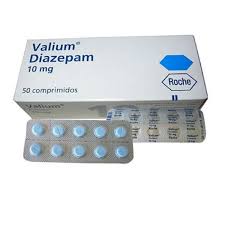

Valium (Diazepam): A Comprehensive Overview
Valium (Diazepam), commonly known by the brand name Valium, is a widely used benzodiazepine medication with multiple applications, including anxiety relief, sedation, and seizure control. This guide explores its uses, mechanisms, and warnings to help you make informed decisions about its use.
Diazepam: Brand Names and Manufacturer
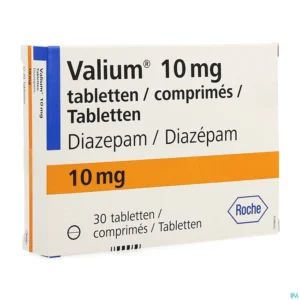
- Brand Names: Valium
- Generic Name: Diazepam
- Manufacturer: Richter
Diazepam is a trusted medication with decades of clinical use for managing anxiety, sleep disorders, seizures, and muscle spasms.
How Does Diazepam Work?
Diazepam belongs to the benzodiazepine class of drugs, renowned for their calming and sedative effects. It functions by targeting GABA receptors in the brain, increasing the activity of the neurotransmitter GABA (gamma-aminobutyric acid).
GABA acts as a natural nerve-calming agent, promoting relaxation, reducing anxiety, inducing sleepiness, and alleviating muscle tension. By enhancing GABA’s effects, diazepam provides:
- Sedation
- Anxiety relief
- Muscle relaxation
- Sleep support
Explore AZ Research Chemicals for research chemicals, including sleeping aids and sedatives.
Uses of Diazepam
Short-Term Treatment of Severe Anxiety or Agitation
Diazepam effectively reduces severe anxiety or agitation, particularly in acute scenarios or psychiatric conditions like bipolar disorder. While it quickly alleviates symptoms, it is generally used as part of a broader treatment plan.
Short-Term Treatment of Severe Insomnia
Diazepam helps manage severe insomnia by reducing the time needed to fall asleep and increasing overall sleep duration. However, due to its potential for dependence, it is recommended only for short-term use.
Explore sleeping aids at AZ Research Chemicals and alternatives at K2 Infused Paper.
Valium (Diazepam): Comprehensive Guide and Uses
Valium (Diazepam) is a widely recognized medication in the benzodiazepine family, commonly prescribed for managing anxiety, muscle spasms, and seizures. As a trusted supplier, AZ Research Chemicals offers high-quality Valium to meet your research needs. Below, we explore the essential aspects of Valium, addressing key questions to help you understand its benefits, risks, and applications.
What Does Valium Do to a Person?
Valium works by calming the brain and nerves, producing a sense of relaxation. It enhances the effects of GABA, a neurotransmitter that inhibits brain activity, making it effective for anxiety relief, muscle relaxation, and seizure control.
Valium vs Ativan: Which Is Better?
Valium and Ativan are both benzodiazepines but differ in onset and duration. Valium has a longer-lasting effect, while Ativan works faster. For anxiety, Valium is often preferred for extended relief, while Ativan suits short-term or acute anxiety episodes.
Is Valium Good for Anxiety?
Yes, Valium is widely prescribed for anxiety disorders due to its sedative and calming properties. It alleviates symptoms of tension, restlessness, and panic, making it a valuable tool for anxiety management.
How Is Valium Supplied?
Valium is supplied in tablet form, typically in dosages of 2 mg, 5 mg, and 10 mg. It may also be available as an injectable solution for hospital use or as a rectal gel for specific conditions.
Common Side Effects of Valium
Like any medication, Valium can have side effects. Common ones include:
- Drowsiness
- Fatigue
- Dizziness
- Dry mouth
- Nausea
In rare cases, more severe effects like dependency or withdrawal symptoms can occur.
Is Valium a Pain Killer?
Valium is not classified as a pain killer. However, it can alleviate muscle spasms and tension, which may indirectly reduce discomfort in some cases.
Is Valium 10mg Strong?
Valium 10 mg is a high dose, typically prescribed for severe anxiety, muscle spasms, or seizures. For most conditions, lower doses like Valium 5 mg are sufficient. Always follow a healthcare provider’s guidance for appropriate dosing.
Is Valium Illegal in the UK?
Valium is a controlled substance in the UK. While legal with a prescription, unauthorized possession or sale is illegal and subject to strict penalties.
Valium Generic Options
Diazepam is the generic form of Valium, offering the same therapeutic benefits at a lower cost. AZ Research Chemicals ensures the availability of both branded and generic options.
Valium 5 mg and Valium 10 mg
Valium is available in various strengths to suit different therapeutic needs:
- Valium 5 mg: Commonly prescribed for mild anxiety or muscle relaxation.
- Valium 10 mg: Reserved for more severe conditions requiring stronger intervention.
Valium Dosage
Valium dosing varies based on the condition being treated:
- Anxiety: 2-10 mg, 2-4 times daily
- Muscle spasms: 2-10 mg, 3-4 times daily
- Seizures: As directed by a physician
Follow medical advice to ensure safe and effective use.
Valium Side Effects to Watch For
Monitoring for side effects is crucial when taking Valium. In addition to common effects like drowsiness, watch for:
- Confusion
- Memory issues
- Mood changes
Report any unusual symptoms to a healthcare provider immediately.
Valium Drug Overview
Valium is a trusted medication for managing anxiety, muscle spasms, and seizures. It is safe and effective when used responsibly under medical supervision.
Valium Uses and Applications
Valium’s primary uses include:
- Relieving anxiety
- Treating muscle spasms
- Managing seizures
- Assisting in alcohol withdrawal
Is Valium Legal in the UK?
Yes, Valium is legal in the UK when prescribed by a licensed practitioner. It is classified as a Schedule 4 controlled drug.
Night Terrors and Sleepwalking in Children
For children experiencing night terrors or sleepwalking, oral forms of diazepam provide effective relief by promoting restful sleep.
Convulsions and Status Epilepticus
Diazepam is a vital medication for controlling seizures, including epileptic fits, febrile convulsions, and status epilepticus. By calming excessive electrical activity in the brain, it prevents recurrent seizures.
Acute Alcohol Withdrawal
During acute alcohol withdrawal, diazepam helps manage symptoms such as anxiety, tremors, and seizures, making the process more tolerable.
Muscle Spasms and Tetanus
For muscle spasms due to tetanus or poisoning, diazepam acts as a muscle relaxant, providing much-needed relief.
Pre-Medication Before Surgery
Diazepam is often used before surgical or medical procedures to reduce anxiety and induce sedation, ensuring patient comfort.
Warnings and Precautions
- Diazepam is suitable for short-term use only to avoid dependence, tolerance, and withdrawal symptoms.
- Withdrawal symptoms may include:
- Rebound insomnia or anxiety
- Confusion
- Sweating
- Tremors
- Irritability
- Convulsions
To discontinue diazepam safely, always follow your doctor’s guidance to taper off the medication gradually.
FAQs
What is Valium (Diazepam) used for?
Diazepam treats severe anxiety, insomnia, seizures, muscle spasms, alcohol withdrawal, and more. It is also used as a pre-medication for surgery.
Is Valium (Diazepam) safe for long-term use?
No, diazepam is not recommended for long-term use due to the risk of dependence and withdrawal symptoms.
How does Diazepam work?
Diazepam enhances the activity of GABA, a neurotransmitter that calms nerve activity in the brain, promoting relaxation, sleep, and seizure control.
Where Can I Buy Valium Online?
Visit AZ Research Chemicals to explore a wide range of high-quality research chemicals, including Valium.
Conclusion
Valium (Diazepam) remains a cornerstone medication for anxiety, muscle spasms, and seizures. Its versatility and efficacy make it a valuable tool in medical and research settings. For top-quality Valium products, visit AZ Research Chemicals, K2 Legal High Incense.