
Comprehensive Guide to Midazolam: Uses, Action, and Considerations
Midazolam, commonly marketed under the trade name Versed, is a benzodiazepine that plays a vital role in modern medicine. Known for its sedative, anxiolytic, and anticonvulsant properties, Midazolam is used in various medical contexts, including procedural sedation, end-of-life care, and seizure management. In this guide, we’ll explore the action, uses, potential risks, and other important information related to Midazolam.
Midazolam Action
Midazolam’s drug action involves enhancing the effect of the GABA neurotransmitter, a chemical in the brain responsible for inhibiting brain activity. By promoting the activity of GABA, Midazolam produces sedation, relaxation, and amnesia, making it useful for anesthesia, anxiety reduction, and memory impairment during medical procedures.
Why Is Midazolam Used in End-of-Life Care?
Midazolam is often used in end-of-life care to manage symptoms like severe agitation, anxiety, and discomfort during the dying process. Its sedative properties help provide comfort and ease, allowing patients to pass away peacefully. Additionally, it helps control breathing difficulties and may reduce pain when combined with other medications.
Midazolam Brand Name
Midazolam is commonly sold under the brand name Versed, although it is also available in generic forms. The medication is used in hospitals, clinics, and at-home care settings to manage anxiety, sedation, and seizure activity.
Midazolam Meaning
The name Midazolam comes from its chemical structure and its classification as a benzodiazepine. The “Mid” refers to its intermediate half-life compared to other benzodiazepines, while the “az” portion denotes its chemical structure, which includes the nitrogen atom.
Is Midazolam Dangerous?
Like all medications, Midazolam can be dangerous if misused. It has a potential for abuse, dependency, and overdose, especially when taken in conjunction with other central nervous system depressants. Midazolam side effects include respiratory depression, drowsiness, and low blood pressure, which can be life-threatening in certain cases. When used appropriately under medical supervision, the risks are minimized.
Midazolam Drug Action
The drug action of Midazolam is primarily through its effect on the GABA-A receptor. By binding to this receptor, it increases the inhibitory effects of GABA, which leads to calming effects, muscle relaxation, and memory impairment. This makes it particularly effective for procedural sedation, as well as in treating acute seizures.
Midazolam Drugs
In addition to Midazolam, other benzodiazepines like Diazepam (Valium), Lorazepam (Ativan), and Alprazolam (Xanax) are also used to manage similar conditions such as anxiety, insomnia, and muscle spasms. However, each benzodiazepine differs in its potency, half-life, and intended medical use.
Midazolam vs Diazepam
Midazolam vs. Diazepam: Both are benzodiazepines, but they differ in their use and pharmacokinetics.
- Midazolam has a shorter half-life and is typically used for short-term sedation during procedures.
- Diazepam has a longer half-life and is commonly used for anxiety management, muscle spasms, and seizure treatment.
Midazolam Dose
The Midazolam dose varies depending on the medical context, patient age, and health condition. For sedation during procedures, the typical dose for adults is between 1 to 5 mg intravenously, with further doses administered as needed. It’s important to always follow the prescribed dosing guidelines to avoid complications, especially in vulnerable populations.
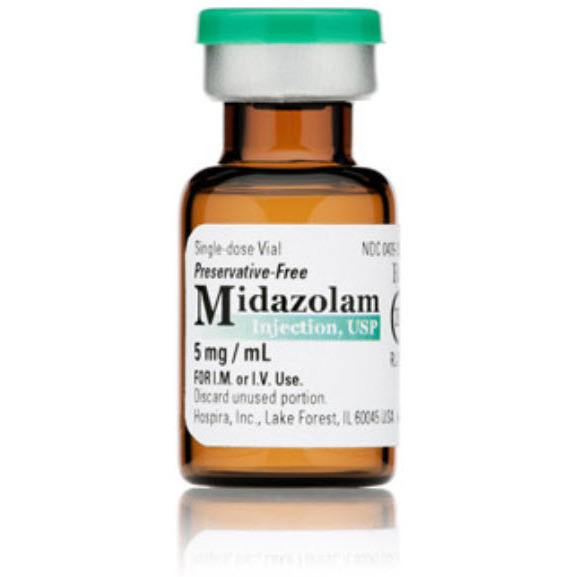
Midazolam Injection
Midazolam injection is one of the most common routes of administration, particularly in emergency or hospital settings. The medication is usually injected intravenously or intramuscularly, providing rapid onset of action. Midazolam is also available in other forms, such as nasal sprays and oral tablets, depending on the treatment need.
Midazolam Side Effects
Like all medications, Midazolam can cause side effects, including:
- Drowsiness or sedation
- Respiratory depression
- Low blood pressure
- Memory impairment
- Dizziness
Long-term use can result in tolerance, meaning higher doses are required for the same effect, and withdrawal symptoms may occur if the medication is discontinued abruptly.
Midazolam Uses
Midazolam uses include:
- Procedural sedation: To help patients relax during diagnostic procedures.
- Anesthesia: As a sedative before general anesthesia.
- Seizure management: To stop acute seizures.
- Anxiety reduction: In severe cases of anxiety or agitation.
- End-of-life care: To manage distressing symptoms in terminally ill patients.
Midazolam Class
Midazolam belongs to the benzodiazepine class of drugs, which are primarily used for their sedative, anxiolytic, and anticonvulsant properties. Other common benzodiazepines include Diazepam, Alprazolam, and Lorazepam.
Midazolam Trade Name
The trade name for Midazolam is Versed. It is one of the most widely recognized brands, especially in hospital settings, where it is used for sedation and anesthesia induction.
Midazolam Antidote
In case of overdose, the antidote for Midazolam is Flumazenil, a medication that can reverse the effects of benzodiazepines. However, it should be administered by a healthcare professional, as Flumazenil may cause seizures in some individuals, especially those who are dependent on benzodiazepines.
Midazolam Indication
The indications for Midazolam include:
- Anesthesia induction
- Procedural sedation
- Seizure management
- End-of-life care (for symptom management)
- Severe anxiety or agitation
Midazolam: Overview, Uses, and Information
Midazolam, commonly known by its brand name Versed, is a versatile medication used for a variety of medical purposes, including anesthesia, procedural sedation, managing severe agitation, treating sleep disturbances, and controlling seizures. It is a member of the benzodiazepine class, functioning by depressing the central nervous system to produce a calming effect, reduce anxiety, and impair memory formation.
How Does Midazolam Work?
Midazolam works by enhancing the effects of the GABA neurotransmitter, which inhibits brain activity. This results in sedation, relaxation, and memory impairment, making it ideal for medical procedures that require patient comfort and cooperation. It can be administered through various routes, such as orally, intravenously, by intramuscular injection, or even through nasal or cheek sprays.
- Intravenous use: Effects are typically felt within 5 minutes.
- Intramuscular use: It may take around 15 minutes for the medication to take effect.
Effects generally last between 1 to 6 hours, depending on the dose and method of administration.
Common Uses of Midazolam
Midazolam is used in many medical settings, such as:
- Anesthesia: Often used as part of a broader anesthetic protocol.
- Procedural sedation: To help patients relax during minor surgeries or medical procedures.
- Sleep disorders: To manage severe insomnia or trouble sleeping.
- Seizures: Effective in controlling seizures, particularly in emergency situations.
- Severe agitation: Used to calm agitated patients, especially in a hospital setting.
Potential Side Effects of Midazolam
While Midazolam is generally safe when used under medical supervision, it can cause some side effects:
- Decreased respiratory effort: Breathing may slow down.
- Low blood pressure: May lead to dizziness or fainting.
- Drowsiness: A common side effect, especially if used in higher doses.
Long-term use of Midazolam can lead to tolerance (requiring more of the drug to achieve the same effect) and withdrawal symptoms upon cessation. Additionally, some paradoxical effects, like increased activity or agitation, can occur, particularly in children and older adults.
Midazolam and Pregnancy/Breastfeeding
There is evidence of risk associated with using Midazolam during pregnancy, so it should be used cautiously and only when absolutely necessary. However, a single dose of Midazolam during breastfeeding has not been shown to harm the infant.
Midazolam’s Availability and Cost
Midazolam was introduced in 1976 and has become a critical part of modern medical practice. It is listed on the WHO Model List of Essential Medicines, a list of the most important medications needed in a basic health system. Midazolam is widely available as a generic medication and is relatively inexpensive. In developing countries, the wholesale cost of a vial is approximately 0.35 USD. However, due to its potential for misuse, it is often classified as a controlled substance in many countries.
FAQs
1. What Is Midazolam Used For?
Midazolam is primarily used for sedation during procedures, managing severe agitation, treating sleep disorders, and controlling seizures.
2. What Are the Side Effects of Midazolam?
Common side effects include drowsiness, low blood pressure, and respiratory depression. Long-term use can result in tolerance and withdrawal.
3. Is Midazolam Safe During Pregnancy?
Midazolam may pose risks during pregnancy, so it should only be used when necessary and under strict medical supervision.
4. How Quickly Does Midazolam Work?
When administered intravenously, Midazolam takes effect within 5 minutes, whereas intramuscular administration may take about 15 minutes to work.
5. Can Midazolam Be Used for Seizures?
Yes, Midazolam is effective in controlling seizures, particularly in emergency situations.
Conclusion
Midazolam is a valuable medication used in various medical settings for its sedative, anxiolytic, and anticonvulsant properties. Whether you’re undergoing a medical procedure or need assistance with sleep or seizure management, Midazolam plays a crucial role in providing relief. If you’re interested in exploring more about research chemicals and nootropics, visit Torzon Darkweb.
For related products, check out: